
Physicians’ Insights

Radiation Safety Myths vs. Facts: What Every Patient Should Know

Hearing the word radiation can understandably cause concern. Many patients have questions—or even fears—about radiation therapy based on common misconceptions. At Advanced Radiation Centers of New York (ARC), patient safety and education are top priorities. Understanding the facts can help you feel more informed and confident about your care.

Below, we address some of the most common radiation safety myths and facts to help separate fiction from reality.

Myth #1: Radiation Therapy Is Unsafe

Fact: Radiation therapy is a highly regulated and well-studied medical treatment used safely for decades.

Modern radiation therapy is delivered using advanced technology that allows physicians to precisely target treatment areas while minimizing exposure to healthy tissue. Equipment is routinely tested and monitored to meet strict safety standards, and treatment plans are carefully reviewed by a specialized care team before therapy begins.

Myth #2: Surgery is able to cure cancer and radiation therapy is unnecessary

Fact: Cancer treatments often include multiple treatments including radiation

Every cancer and treatment is different. Radiation therapy is often used in conjunction with surgery and medications. Sometimes, radiation therapy can be a safe alternative to surgery depending on the individual. At ARC, radiation oncologists will discuss the risks and benefits of these treatments and how they apply to your cancer.

Myth #3: Radiation Therapy Makes You Radioactive

Fact: External beam radiation therapy does not make you radioactive.

Patients receiving external radiation treatments do not emit radiation and are safe to be around family members, children, and pets immediately after treatment. This is a common concern, but it does not apply to standard external radiation therapy.

Myth #4: Radiation Always Causes Severe Side Effects

Fact: Side effects vary and are often mild and manageable.

Not all patients experience significant side effects. When side effects do occur, they depend on the area being treated, the dose, and individual factors. Advances in technology—such as image-guided and adaptive radiation therapy—help reduce exposure to healthy tissues, which may lower the risk of side effects.

Your care team at ARC closely monitors your response to treatment and works with you to manage symptoms if they arise.

Myth #5: Radiation Therapy Is Painful

Fact: Radiation treatments are painless.

Radiation therapy sessions are similar to getting an X-ray. You will not feel the radiation as it is delivered. Each session typically lasts only a few minutes, and patients can usually return to normal activities afterward.

Myth #6: Radiation Therapy Is Only Used for Cancer

Fact: Radiation therapy may also be used for certain non-cancerous conditions.

In addition to cancer treatment, low-dose radiation therapy may be used in select cases to help manage inflammatory conditions, such as arthritis or chronic joint pain. Your physician can help determine whether radiation therapy is appropriate based on your specific diagnosis.

Myth #7: Radiation Therapy Is One-Size-Fits-All

Fact: Radiation therapy is personalized for each patient.

Every treatment plan is tailored to the individual. At ARC, radiation oncologists use detailed imaging and planning tools to customize treatment based on the patient’s anatomy, diagnosis, and overall health. This personalized approach supports both safety and effectiveness.

How ARC Prioritizes Radiation Safety

At Advanced Radiation Centers of New York, radiation safety is built into every step of care, including:

  • Advanced treatment planning and imaging
  • Precise dose calculations
  • Ongoing quality assurance and equipment checks
  • Close monitoring throughout treatment

Our multidisciplinary team follows evidence-based guidelines and national safety standards to ensure each patient receives appropriate and carefully delivered care.

Knowledge Helps Ease Concerns

Understanding the facts about radiation therapy can help reduce anxiety and empower patients to make informed decisions. If you have questions or concerns, your care team is always available to discuss them and explain what to expect.

Have Questions About Radiation Therapy?

Understanding your treatment can make a meaningful difference. The team at ARC is here to answer your questions, address concerns, and help you feel confident in your care.

Schedule a consultation to speak with one of our specialists at ARC.

Radiation Safety Myths vs. Facts: What Every Patient Should Know2026-03-27T12:25:29-04:00

Radiation Made Simple: What You Need to Know Before Your First Visit

Visiting a radiation therapy center for the first time can feel overwhelming. Questions about how treatment works, what to expect, and whether it is safe are completely normal. At Advanced Radiation Centers of New York (ARC), our goal is to make your first visit—and every visit after that—as clear, comfortable, and reassuring as possible. This guide explains what you need to know before starting radiation therapy.

Understanding Radiation Therapy

Radiation therapy is a medical treatment that uses precisely targeted energy to treat certain conditions, most commonly cancer. Its purpose is to destroy or control abnormal cells while minimizing exposure to healthy tissue. Modern radiation therapy is highly precise, with advanced imaging and planning tools that allow your care team to customize treatment to your unique anatomy and condition.

What Happens During Your First Visit

Your first appointment at ARC is designed to ensure your care is safe, personalized, and thorough. During this visit, you will meet with your radiation oncologist to review your medical history, discuss your diagnosis, and determine whether radiation therapy is recommended. This is also the time to ask questions and share any concerns.

If treatment is recommended, you may undergo imaging scans such as CT or MRI. These images help your care team develop a precise treatment plan tailored to your needs. You will also receive detailed patient education, including what to expect during each session, potential side effects, safety precautions, and tips for comfort.

What to Expect During Treatment

Radiation therapy is generally painless and non-invasive. Most sessions last only a few minutes, and you can usually return to your normal daily activities immediately afterward. Patients often notice that positioning on the treatment table is comfortable, that there is no sensation or pain during radiation delivery, and that staff are available to answer questions at any time. Your treatment plan is carefully designed to target the area that needs care while minimizing side effects.

Common Concerns Patients Have

It is normal to have questions before starting radiation therapy. One common concern is whether radiation will make you radioactive. The answer is no—most patients will receive external radiation therapy and are safe to be around others immediately after treatment. Some rare types of radiation can make patients temporarily radioactive, which will be discussed if relevant to your cancer. Another frequent question is whether the treatment is painful. Radiation itself is painless, and any discomfort is typically related to the condition being treated or mild, closely monitored side effects. Many patients also ask whether therapy will affect their daily routine. Most people continue normal activities during treatment, though your physician may provide specific guidance based on your plan.

How ARC Ensures Safety and Comfort

At Advanced Radiation Centers of New York, patient safety and comfort are top priorities. Every step of care follows strict protocols, including personalized treatment planning, advanced imaging for precision, ongoing monitoring during treatment, and patient education and support. Our team is dedicated to making your radiation therapy experience as stress-free as possible.

Learn More Before Your Visit

Understanding your treatment can help ease anxiety and empower you to make informed decisions about your care. At ARC, we believe every patient deserves clear communication, expert guidance, and compassionate support.

Contact ARC today to schedule your first consultation and learn more about what to expect before starting radiation therapy.

Radiation Made Simple: What You Need to Know Before Your First Visit2026-03-27T12:04:05-04:00

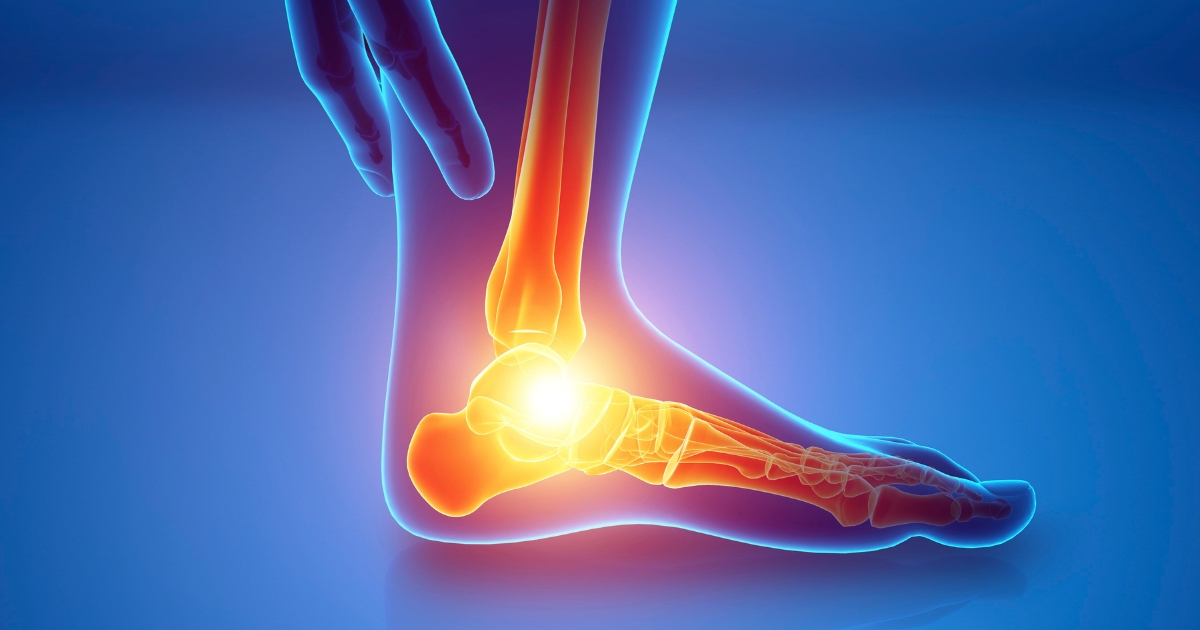
SoftRay™ Therapy for Arthritis, Heel & Joint Pain Relief

Chronic arthritis, heel pain, and joint discomfort can interfere with daily activities and overall quality of life. For patients who have not experienced adequate relief from medications, injections, or physical therapy, SoftRay™ Therapy may be a gentle, non-invasive treatment option.

At Advanced Radiation Centers of New York (ARC), SoftRay™ Therapy uses low-dose radiation therapy (LDRT) to help reduce inflammation associated with certain non-cancerous musculoskeletal conditions.

What Is SoftRay™ Therapy?

SoftRay™ Therapy is a specialized form of low-dose radiation therapy that has been used to help manage inflammatory conditions, including arthritis and chronic joint pain. Unlike radiation used in cancer treatment, SoftRay™ Therapy delivers significantly lower doses aimed at reducing inflammation rather than destroying tissue.

This approach may help relieve pain and improve function for select patients when conservative treatments have been insufficient.

Conditions That May Be Treated With SoftRay™ Therapy

SoftRay™ Therapy may be considered for patients experiencing:

  • Osteoarthritis
  • Heel pain, including plantar fasciitis and heel spurs
  • Knee, hip, shoulder, hand, or foot joint pain
  • Chronic inflammatory joint conditions
  • Dupuytren’s Contracture (of the hands)
  • Tendonitis and Tendinopathies
  • Enthesopathies
  • Persistent pain that has not responded to standard therapies

Eligibility is determined on an individual basis following a physician consultation.

How SoftRay™ Therapy Works

Inflammation plays a significant role in many chronic joint and soft tissue conditions. SoftRay™ Therapy delivers targeted, low-dose radiation to affected areas, which may help modulate inflammatory processes and reduce pain over time.

Treatment is non-invasive and typically painless. Sessions are brief, often lasting only a few minutes, and are performed on an outpatient basis. Most patients are able to resume normal activities immediately following treatment, with no downtime required.

What Patients May Expect

SoftRay™ Therapy is typically delivered over a short series of sessions. While individual responses vary, symptom improvement may occur gradually over several weeks following treatment. Some patients report reduced pain, improved mobility, and decreased reliance on pain medications.

Results are not guaranteed, and outcomes depend on individual factors, including the underlying condition and overall health.

A Conservative Option Before Surgery

For patients seeking alternatives to surgery or long-term medication use, SoftRay™ Therapy may be an option worth discussing. At ARC, all treatments are carefully evaluated to ensure they align with each patient’s diagnosis, medical history, and treatment goals.

“Many patients come to us after exhausting other treatment options,” says Dr. Shawn Zimberg. “SoftRay™ Therapy offers a low-dose, non-invasive approach that may help reduce inflammation and pain for appropriately selected patients.”

Specialized Care at Advanced Radiation Centers of New York

At ARC, our experienced radiation oncologists use advanced technology and evidence-based approaches to provide patient-centered care. Every treatment plan is customized, with safety, comfort, and informed decision-making as top priorities.

Learn More About SoftRay™ Therapy at ARC

If arthritis, heel pain, or joint discomfort is affecting your daily life, ARC is here to help you explore your options. A consultation with our team can help determine whether SoftRay™ Therapy may be appropriate for your condition.

Contact ARC today to schedule a consultation and learn more about SoftRay™ Therapy for arthritis and joint pain relief.

Softray Therapy

SoftRay™ Therapy for Arthritis, Heel & Joint Pain Relief2026-05-04T15:05:02-04:00

Impact of an Early Prostate Cancer Diagnosis on Relationships and Family

By Shawn Zimberg, MD, Medical Director, Advanced Radiation Centers of New York

Prostate cancer has recently taken center stage in both the headlines and pop culture. President Joe Biden’s late-stage prostate cancer diagnosis made news earlier this year, prompting concern and conversation nationwide. But not all prostate cancers are found late—nor are their stories always grim. On the latest season of And Just Like That…, the Sex and the City reboot, Harry Goldenblatt, a beloved character played by Evan Handler, is diagnosed with early-stage prostate cancer. The storyline is both timely and important, reminding us that prostate cancer is not just a medical diagnosis—it’s an emotional one, too, and it affects not only patients but also their partners and families.

Prostate cancer is the most common non-skin cancer in men, with nearly 300,000 new cases expected in the U.S. this year. Most cases are detected through routine screening, especially with the use of the PSA (prostate-specific antigen) blood test. PSA is a protein produced by prostate cells, and elevated levels can be an early sign of cancer—often before symptoms ever occur. While not perfect, PSA screening, coupled with MRI imaging and targeted biopsies when appropriate, has significantly improved our ability to catch prostate cancer early, when it is highly treatable.

When a diagnosis is made, patients often face a critical decision: surgery or radiation. For many years, prostatectomy—the surgical removal of the prostate—was the standard. But over the past two decades, radiation therapy has evolved dramatically. Modern non-invasive radiation technologies such as image-guided intensity-modulated radiation therapy (IG-IMRT), stereotactic body radiation therapy (SBRT), and low-dose-rate brachytherapy offer excellent cancer control with comparable cure rates to surgery for early-stage disease—typically above 95%. Importantly, these techniques often reduce the risk of significant side effects such as incontinence and erectile dysfunction, which can be life-altering.

For couples, the emotional burden of a prostate cancer diagnosis can be just as profound as the medical journey. Even with an excellent prognosis, men may face fears about mortality, virility, and the future. Partners often shoulder their own distress, balancing support with concern over potential changes to intimacy and quality of life. The And Just Like That… storyline captures this dynamic well: Charlotte struggles with anxiety and uncertainty, even as Harry remains optimistic. This tension is real and common—many couples must renegotiate not only medical decisions but also their emotional connection.

Though the majority of men with early-stage prostate cancer will be cured, the psychological toll and the potential for side effects like erectile dysfunction can impact relationships in ways that are rarely discussed openly. It is not uncommon for patients to feel a loss of identity or confidence, while partners may experience grief over changes in intimacy or worry about becoming caregivers. These challenges, while difficult, are manageable with honest communication, support, and education.

So, what can couples do when faced with this diagnosis? First, seek out a multidisciplinary team that includes not only urologists and radiation oncologists but also counselors or support groups when needed. Second, understand that no two treatment plans are alike; options should be tailored to a patient’s cancer stage, lifestyle, and personal priorities. Third, talk—early and often. Emotional transparency can be just as healing as medical treatment.

At Advanced Radiation Centers, we believe in treating the whole patient, not just the cancer. That includes offering leading-edge radiation therapies designed to preserve quality of life—and recognizing the essential role that loved ones play in healing. Stories like Harry’s may be fictional, but the themes they highlight are all too real. Let’s use this cultural moment to normalize the conversation around prostate cancer, encourage early screening, and support the families who walk this journey together.

Impact of an Early Prostate Cancer Diagnosis on Relationships and Family2025-08-13T15:17:40-04:00
Go to Top